





Water motor alarm
The Loss Prevention Certification Board (LPCB part of BRE Global) sets the standards needed to ensure that fire and security products and services perform effectively. LPCB’s Loss Prevention Standards (LPS) are applied in fire and security sectors around the world.
LPS 1041 – 1.3, Requirements and testing procedures for the LPCB approval and listing of dry pipe valve sets, published by BRE Global in 2014, defines a water motor alarm as a: ‘Hydraulically actuated device which provides a local audible alarm as a result of operation of the dry pipe valve.’
[edit] Related articles on Designing Buildings Wiki
- BRE articles on Designing Buildings Wiki.
- Differential ratio of a wet alarm valve.
- Differential type dry pipe valve.
- Dry pipe valve.
- Exhauster.
- K factor.
- Making the case for sprinklers and dispelling myths.
- Overview of automatic sprinkler system design and operation.
- Sprinkler systems explained: A guide to sprinkler installation standards and rules.
- Sprinkler.
- Wet alarm valve.
Featured articles
Check out some of the best features and news from Designing Buildings as well as key stories from around the web.

CIAT reflects on the party conferences.

CIOB announce the winners of the Art of Building photography competition.

National Scheme of Delegation introduced.

The cost of employing people remains a concern.
Code of Practice for Electrical Energy Storage Systems.

ECA calls on members to comment on draft 4th edition.

Bringing together expertise and creating cultural benefits.

CIOB celebrates positive Ofsted report.

The Building Safety Regulator announces a call for evidence.

Government approach could undermine delivery and regeneration.
World's first mass timber data centre.

The overlooked environmental aspect of data centre development.
Introduction to radon awareness
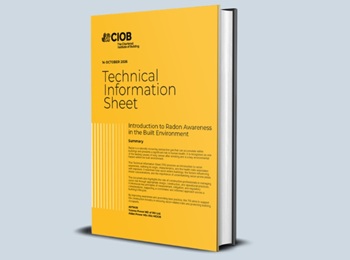
New technical information sheet published by CIOB.

Updated supplier guide can help electrical contractors engage with NHP.